
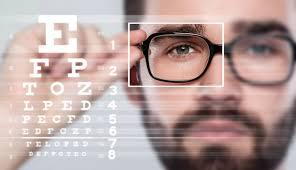
Did you know a comprehensive eye exam with your doctor of optometry doesn’t just determine if you need eyeglasses or contact lenses? In fact, your doctor also carefully looks at all aspects of your eye health, which can help provide a clearer picture of your overall health. Comprehensive eye exams go well beyond the goal of 20/20 vision.
Clear vision is just the beginning
Nearly all Americans believe their eye health is just as important as the health of their heart, but nearly half of those, ages 23-38, don’t think they need an eye exam if their vision is clear, according to American Optometric Associations's (AOA) Eye-Q® Survey 2020. It’s time to turn belief into action: making a comprehensive eye exam a critical part of your overall health maintenance, equal to your annual physical with your primary care physician.
Through an eye exam, doctors of optometry can identify early warning signs and manifestations of more than 270 systemic and chronic diseases including diabetes, high blood pressure, autoimmune diseases and cancers. In fact, getting a comprehensive eye exam is the only way to visualize the blood vessels behind the eye for issues without an x-ray, CT scan or invasive surgery.
A comprehensive eye exam is not just a vision screening. Remember the eye test with the tiny letters you took at school or to renew your driver’s license? That’s a vision screening.
A vision screening isn't enough
If you’re wondering what the difference is between a vision screening test (the kind you received in school) and a comprehensive eye exam, a vision screening only indicates a potential need for further evaluation. Even the most sophisticated vision screening tools, administered by the most highly trained screeners, miss one-third of children with eye or vision disorders, according to the AOA’s Evidence-Based Clinical Practice Guideline.
Why is an eye exam important?
According to Eye-Q, one in five Americans say an eye health professional detected or diagnosed a non-eye related health issue. In that same survey, one-fourth of those Americans note that an eye health professional detected “floaters” in their eyes, which may signal a risk or onset of diabetes. And doctors of optometry can detect more than 270 serious health conditions including diabetes, high blood pressure, autoimmune diseases and cancers.
Early detection is key
Since many vision issues show no obvious signs or symptoms, the only way to truly get the “all-clear!” is by seeing a doctor of optometry for a check-up. Your doctor of optometry will also go over your overall health and family history, eye or vision symptoms, medications, and potential work-related or environmental issues that may affect your vision. You will also partake in preliminary tests such as depth perception, color vision, eye muscle movements, peripheral or side vision, and how your pupils respond to light.